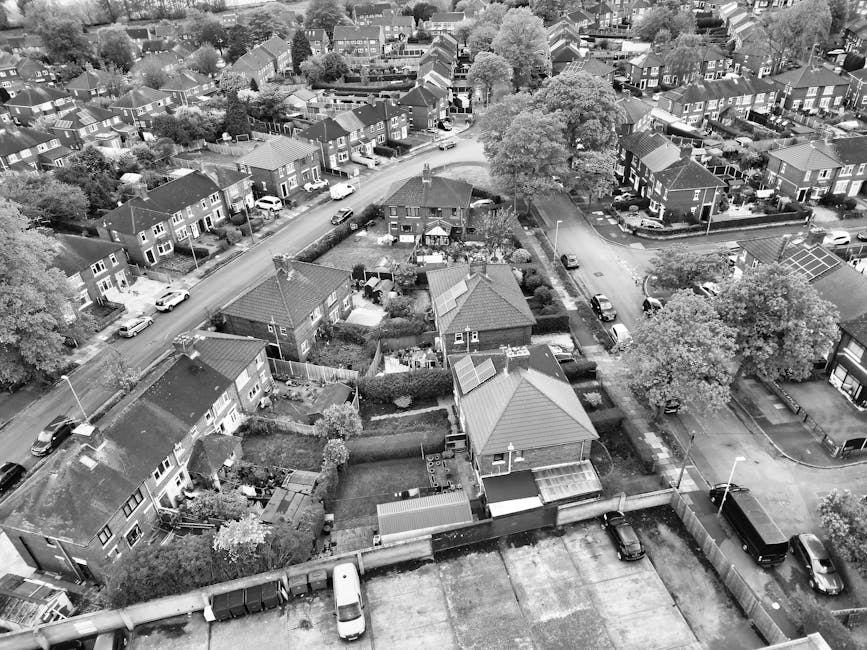
What to know about Enfield Council garden waste rules Brimsdown
If you live in Brimsdown and garden even a little, the rules around garden waste can be surprisingly easy to get wrong. One week it is a pile of hedge clippings after a tidy-up; the next, it is a half-filled bag of soil, a few old plant pots, and a wheely bin that has already overflowed. That is where What to know about Enfield Council garden waste rules Brimsdown really matters: it helps you sort what can go where, avoid missed collections or refusals, and keep your garden clearance simple enough to handle without stress.
This guide breaks the topic down in plain English. You will get a practical overview of how green waste is usually handled, what tends to cause problems, where people slip up, and how to plan a tidy-up sensibly. If you are comparing options for a bigger garden job, you may also find it useful to look at garden clearance support and recycling and sustainability practices as part of a cleaner, more responsible approach.
To be fair, a lot of the confusion comes from one simple thing: garden waste is not all the same. Fresh grass cuttings, woody prunings, and soil are treated very differently in practice. Get that part right and everything else becomes much easier.
Table of Contents
- Why What to know about Enfield Council garden waste rules Brimsdown Matters
- How What to know about Enfield Council garden waste rules Brimsdown Works
- Key Benefits and Practical Advantages
- Who This Is For and When It Makes Sense
- Step-by-Step Guidance
- Expert Tips for Better Results
- Common Mistakes to Avoid
- Tools, Resources and Recommendations
- Law, Compliance, Standards, or Best Practice
- Options, Methods, or Comparison Table
- Case Study or Real-World Example
- Practical Checklist
- Conclusion
- Frequently Asked Questions
Why What to know about Enfield Council garden waste rules Brimsdown Matters
Garden waste rules matter because they affect three things at once: convenience, cost, and compliance. If you are in Brimsdown, the last thing you want is a bin collection issue on a damp Monday morning, with cuttings sitting in black bags and the driveway starting to smell faintly of wet grass. It is a small thing, until it is not.
Getting the basics right helps you avoid contamination, missed collections, and the awkward business of repackaging waste after you have already spent an hour cutting back the borders. It also supports better recycling outcomes. Green waste is one of those streams that works well when it is clean and separated, but becomes awkward fast when people mix in rubble, food waste, plastic plant ties, or larger woody material.
There is also a practical household angle. In a typical Brimsdown garden, waste builds up in bursts: spring pruning, summer mowing, autumn leaf drop, and the post-storm tidy-up that nobody planned for. If you understand the rules before the pile grows, you can make cleaner decisions on the spot. That is usually cheaper and far less annoying than trying to fix a mixed load later.
Expert summary: treat garden waste as a clean, separate stream, plan for seasonal surges, and check any local collection rules before you mix materials. Most problems come from small oversights rather than big mistakes.
How What to know about Enfield Council garden waste rules Brimsdown Works
In practice, council garden waste rules usually focus on what can be presented for collection, how it should be contained, and what should be kept out. The details can vary by local authority and service type, so it is always sensible to confirm the current Enfield arrangements directly before you put anything out. That is especially true if you have not used a garden waste service for a while. Things change. Sometimes quietly, which is the worst kind.
Most households want to know the same core points:
- what counts as garden waste;
- whether it must be bagged, bundled, or placed in a specific container;
- which items are not accepted;
- how often collections happen;
- what to do with larger clearance jobs.
Green waste is usually the easy bit: grass cuttings, leaves, small twigs, hedge trimmings, and plant material tend to be the expected contents. The tricky bit is the mixed stuff. A bit of compost, a few clods of soil, the old pot from the dead patio herb, and a broken cane all end up in the same pile if nobody is paying attention. That is where problems start.
If you are doing a bigger tidy-up, it helps to think in layers. First, separate reusable items from waste. Next, separate green waste from heavy or inert material. Finally, decide whether the load is small enough for your normal collection route or whether it would be better handled as a one-off clearance. For larger jobs, a service like garden maintenance or services overview can give you a better sense of what type of support fits the job.
One realistic scenario: you trim a hedge, mow the lawn, and rake up leaves from a narrow side return. That is classic garden waste. Another scenario: you also dig out old roots, remove several broken slabs, and uncover a few sacks of soil. That second job is no longer just a bin issue. It becomes a planning issue, and sometimes a clearance issue too.
Key Benefits and Practical Advantages
Understanding the garden waste rules does more than keep you on the right side of local guidance. It makes routine garden care simpler.
- Less contamination: when materials are separated properly, waste is easier to process and less likely to be rejected.
- Cleaner outdoor spaces: no lingering bags, no loose clippings blowing around, no piles waiting for "next week".
- Faster clear-ups: if you know what goes where, you can work more efficiently from the start.
- Better budgeting: small regular disposals are often easier to manage than a surprise bulk job.
- More sustainable habits: clean green waste is usually far more recyclable than mixed rubbish.
There is another benefit people often overlook: mindset. When the disposal side feels manageable, you are more likely to keep on top of pruning, mowing, and seasonal maintenance. That reduces the big "all-at-once" jobs that eat up a whole Saturday. You know the type. The job that begins with a cup of tea and ends with three tied sacks, two muddy gloves, and a suspiciously tired wheelbarrow.
If you are keeping the garden in good order through the year, it may be worth pairing waste planning with regular upkeep such as lawn mowing and hedge trimming. That way, waste volumes stay predictable instead of turning into a seasonal mountain.
Who This Is For and When It Makes Sense
This topic is relevant to a lot more people than you might think.
- Homeowners who want a tidy garden without collection headaches.
- Landlords and managing agents dealing with shared outside spaces or end-of-tenancy clear-ups.
- Older residents who may not want to wrestle with heavy bags, bins, or long carry distances.
- Busy families who do the garden in short bursts between everything else.
- People preparing for a project such as landscaping, decking, or full garden redesign.
It makes particular sense when your garden waste is more than a few clippings but not quite a full clearance. That middle ground is where many households get stuck. Do you wait for the next collection? Store it in the shed? Hire help? Let's face it, no one wants a pile of branches leaning against the fence for two weeks because the bin was full on collection day.
If your job is edging towards a larger project, a good next step is to compare regular upkeep with one-off support. For example, ongoing care may be enough if you only need seasonal pruning, but a broader job may be better suited to garden clearance or even landscaping if the garden layout itself needs work.
Step-by-Step Guidance
If you are unsure where to start, use this simple process. It works well for ordinary Brimsdown gardens and keeps things calm.
- Sort the waste at source. Put grass, leaves, and soft plant material in one pile, and separate out heavier items like soil, stones, and broken pots.
- Remove non-garden items. Plant labels, plastic ties, metal fixings, and general rubbish should not be mixed in unless the local service specifically allows it.
- Check the collection format. Some services prefer bins, some accept sacks or bundles, and some have limits on how much can be presented at once.
- Pack neatly. Compact loose material so it does not spill or get blown around. Nothing ruins a neat kerbside presentation like wind and a wet Tuesday.
- Think about weight. Wet soil and soaked hedge cuttings are heavier than they look. Overfilled bags tear easily.
- Plan for extras. If the job includes roots, timber, or larger woody sections, work out whether you need extra support before collection day.
- Keep records if needed. For landlords or larger households, a quick note of what was disposed of and when can prevent confusion later.
A good rule of thumb: if you hesitate over whether an item belongs in garden waste, pause and separate it. That pause takes ten seconds. Sorting a rejected load later takes much longer.
If the work has snowballed into a bigger job, and that happens often enough, a more structured service can be helpful. You can also review pricing and quotes before deciding whether regular maintenance or a one-off visit makes more sense.
Expert Tips for Better Results
In our experience, the difference between an easy disposal job and a messy one usually comes down to preparation, not volume.
- Cut and collect in stages. Do not wait until every part of the garden needs attention. Smaller, frequent sessions are easier to manage.
- Let wet material drain a little. Freshly cut grass and soaked leaves are heavy. A short dry spell can make a big difference.
- Use the right tools. Rakes, sturdy sacks, gloves, and a wheelbarrow save time and reduce strain.
- Keep woody waste separate. Branches and stems often need a different treatment from soft green cuttings.
- Watch for hidden contamination. It is amazing how often a bit of plastic edging or old netting gets dragged into the pile by accident.
- Match the method to the garden. A small courtyard garden and a long back plot do not produce the same waste profile, obviously, but people sometimes plan as if they do.
One useful habit is to set up a temporary sorting corner near the shed or patio. It does not need to be fancy. Just enough space to separate soft waste, woody waste, and anything else that should not go into the main pile. A few minutes of order now saves a lot of faffing later.
If you are doing repeated garden work through the year, combining waste planning with recycling and sustainability thinking can help you make cleaner, less wasteful decisions overall.
Common Mistakes to Avoid
Most issues with garden waste are not dramatic. They are small, ordinary mistakes that pile up.
- Mixing garden waste with general rubbish. Food wrappers, broken household items, and packaging should not be lumped in with green waste.
- Overfilling bags or containers. This makes them hard to move and easy to split open.
- Ignoring wet-weight. A bag of damp grass can feel twice as heavy as expected.
- Leaving roots or soil in the pile without checking. These are often the items most likely to cause trouble.
- Assuming all councils accept the same materials. They do not. Never rely on habit alone.
- Waiting until the pile is unmanageable. That is when sorting becomes stressful and disposal gets expensive or awkward.
One mistake I see regularly is people making a "temporary" pile that stays in the garden long enough to become permanent. It happens. The pile sits there through a wet week, then another, then suddenly it is part of the landscape. Not ideal.
If you are already facing a mixed load, it may be wiser to treat the job as a clearance rather than trying to force everything into a standard garden waste stream.
Tools, Resources and Recommendations
You do not need specialist equipment for most small jobs, but the right basics make a real difference.
| Item | Why it helps | Best for |
|---|---|---|
| Heavy-duty garden sacks | Reduce tearing and keep waste contained | Leaves, cuttings, light prunings |
| Wheelbarrow | Moves bulk material with less strain | Longer gardens, repeated trips |
| Rake and hand fork | Helps separate soft waste from debris | Leaf fall, lawn cuttings, border tidy-ups |
| Sturdy gloves | Protect hands from thorns, splinters, and damp debris | Pruning, clearance, thorny hedges |
| Secateurs or loppers | Make branch waste easier to bundle | Hedge and shrub work |
If the job goes beyond routine upkeep, it can be helpful to compare the effort of doing it yourself with a professional visit. Services such as tree lopping and removal or broader landscape gardening may be more appropriate when there is structural growth, safety risk, or a design change involved.
You may also want to check the company's insurance and safety approach when comparing providers. That does not sound exciting, I know, but it matters more than most people realise once ladders, tools, and heavy waste are involved.
Law, Compliance, Standards, or Best Practice
For garden waste, the big principle is straightforward: dispose of waste responsibly and follow the relevant local collection rules. In the UK, household waste separation and collection arrangements are set locally, so Enfield Council guidance is the place to check for exact acceptance criteria, timing, and container rules. Because those details can change, it is better to verify current instructions than rely on memory from last year's tidy-up.
Best practice usually means:
- keeping garden waste separate from household rubbish;
- avoiding contamination with plastics, metals, rubble, and food waste;
- presenting waste neatly and safely for collection;
- storing waste in a way that does not create nuisance, pests, or blocked access;
- making sure any contractor you use handles waste appropriately and safely.
If you are arranging larger work, ask simple questions before the job starts: what materials are included, how waste is removed, and whether the provider follows a clear disposal process. Those questions are not overkill. They are common sense. And, frankly, they save awkward conversations later.
For residents who want a more joined-up approach, it can also help to pair garden upkeep with a provider that is transparent about payment and security and clear on service expectations in the terms and conditions.
Options, Methods, or Comparison Table
There is no single best way to manage garden waste. The right method depends on volume, time, and what the waste is made of.
| Method | Best for | Pros | Watch-outs |
|---|---|---|---|
| Routine council collection | Regular soft garden waste | Simple, familiar, often cost-effective | Usually has rules on what can be included and how it should be presented |
| DIY bagging and transfer | Small to moderate tidy-ups | Flexible and immediate | Can be heavy, time-consuming, and awkward with larger loads |
| Professional garden clearance | Bulky, mixed, or time-sensitive jobs | Fast, tidy, less physical effort | Costs more than doing it yourself, so only use it where it adds value |
| Ongoing garden maintenance | Homes with regular growth and seasonal waste | Keeps waste smaller and more predictable | Works best when scheduled consistently |
For many Brimsdown households, a mix of methods is the most sensible answer. Routine collection for the everyday stuff, and occasional help when the garden gets away from you a bit. That is normal, by the way. Gardens have a habit of doing that.
Case Study or Real-World Example
Picture a semi-detached home in Brimsdown after a spring and early-summer growth spurt. The lawn has been cut twice already, the hedge has pushed out new growth, and the flower beds are full of dead stems from winter. Nothing dramatic, but enough to create a decent pile of waste.
The homeowner starts by separating grass cuttings from hedge trimmings. Then they remove a few old plastic plant labels, a broken cane, and some small stones that came up with the border weeding. At first, everything looks manageable. Then they discover a heavier bag of wet clippings near the back gate, and the whole thing becomes a lot less cheerful.
Instead of trying to force the mixed waste into one collection bag, they split it into cleaner sections and book a more suitable clearance option for the bulkier material. The result is simple: the garden is tidier, the disposal is less stressful, and there is no half-finished pile sitting by the fence for days. Not glamorous, but it works.
That sort of practical decision is often the difference between a garden job that feels under control and one that drifts into frustration. The same approach can help if you are planning related work such as decking services or a wider outdoor refresh, because the waste side is built into the plan from the beginning rather than treated as an afterthought.
Practical Checklist
Use this before you put anything out for collection or arrange disposal.
- Have I separated green waste from general rubbish?
- Have I removed plastic ties, pots, metal, and stones?
- Is the waste dry enough and light enough to handle safely?
- Do I know whether the collection needs bags, bins, or bundles?
- Have I checked for roots, soil, or woody material that may need different handling?
- Is the amount small enough for routine collection, or is it really a clearance job?
- Are paths, gates, and access routes clear for safe removal?
- Do I need help from a professional because of weight, size, or timing?
Keep this list on hand and the whole process becomes much less fiddly. Tiny bit of planning, big difference.
Conclusion
What to know about Enfield Council garden waste rules Brimsdown comes down to a few practical habits: separate your waste cleanly, check the local rules before collection day, and match the disposal method to the size of the job. Most problems are avoidable when you slow down just enough to sort the pile properly.
For small routine jobs, a tidy, well-prepared collection is usually all you need. For larger clearances or mixed loads, it is often smarter to step up to more structured support so the work is handled safely and without guesswork. Either way, a clear plan saves time and keeps the garden pleasant to use.
If you are comparing options for a one-off tidy-up or a more regular service, start with the scope of the waste rather than the urge to get it all done in one go. That little shift usually makes the whole job easier.
Get a free quote today and see how much you can save.
And if all you take from this is one thing, let it be this: small, tidy decisions in the garden tend to pay off later, quietly and consistently. That is the nice part, really.
Frequently Asked Questions
What counts as garden waste in Brimsdown?
Garden waste usually means organic material such as grass cuttings, leaves, hedge trimmings, weeds, and small prunings. The exact accepted items can vary, so it is sensible to confirm current local guidance before disposal.
Can I put soil in my garden waste bin?
Soil is often treated differently from soft green waste because it is heavy and can cause collection issues. In many cases it needs separate handling, especially if there is a lot of it.
Are branches and woody cuttings accepted?
Small branches and woody trimmings may be accepted in some collection arrangements, but larger or thicker pieces are often not suitable for a standard garden waste stream. If in doubt, separate them first.
Do I need to bag my garden waste?
It depends on the collection method and current local rules. Some services allow loose material in a bin or container, while others require sacks or bundles. Always check before filling anything.
What should I do with plastic plant pots and labels?
These are not garden waste in the usual sense. They should be removed and handled separately as plastic or general waste, depending on the item and your local disposal options.
How can I avoid missed garden waste collections?
Keep the waste clean, make sure it is presented correctly, and avoid overfilling or mixing in restricted items. A quick final check on the morning of collection can save a lot of bother.
Is regular garden maintenance better than waiting for a big clear-out?
Usually, yes. Smaller regular maintenance jobs tend to produce less waste at once, which makes disposal easier and less stressful. It also keeps the garden looking better between seasons.
When should I book professional garden clearance?
It makes sense when the waste is bulky, mixed, heavy, or time-sensitive, or when you simply do not want to deal with the lifting and sorting yourself. It is especially useful after overgrown periods or before a redesign.
Can garden waste be mixed with household rubbish?
No, it is generally best not to mix them. Mixing increases the chance of rejection and reduces the usefulness of the recyclable material. Keep the streams separate wherever possible.
What is the safest way to handle heavy garden waste?
Use sturdy bags, avoid overfilling, split the load into smaller parts, and lift carefully. Wet grass, soil, and branches can weigh far more than they look. That old lesson from the back garden never really goes away.
How do I know whether I need one-off clearance or ongoing support?
If the waste builds up regularly from mowing, pruning, and seasonal work, ongoing maintenance may be the better fit. If the garden has become heavily overgrown or you are clearing several types of material at once, a one-off clearance is often more appropriate.
Can a professional help with more than waste removal?
Yes. A good provider may also help with broader garden care, from mowing and hedge work to more involved services like landscaping or tree-related work, depending on what the garden needs.