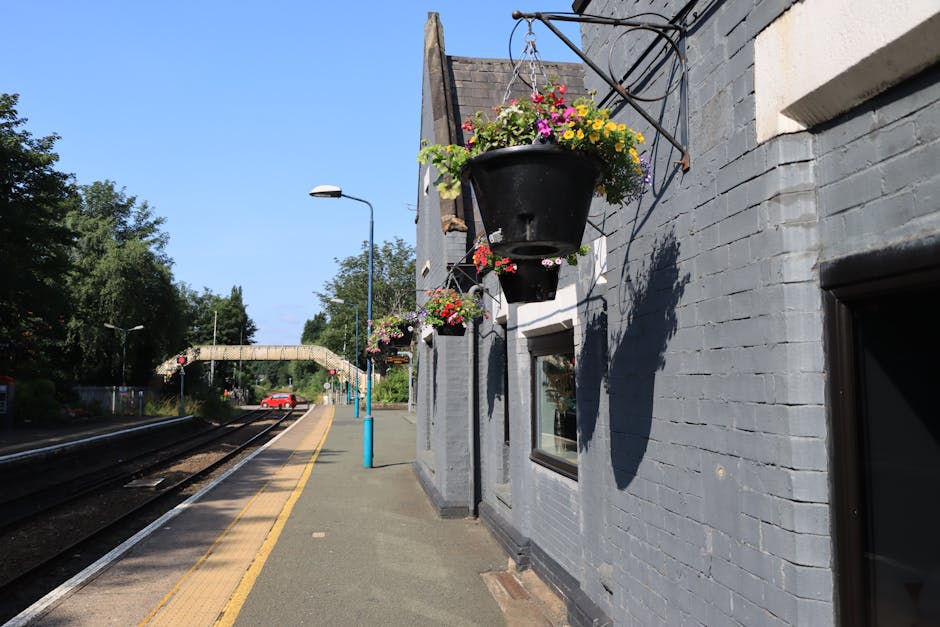
Top Brimsdown gardeners near Brimsdown Station for quick jobs
If you need Top Brimsdown gardeners near Brimsdown Station for quick jobs, you are usually not looking for a huge redesign or a week-long project. You want someone local, responsive, and sensible enough to handle the small but urgent jobs that make a garden feel under control again. A hedge needs a tidy-up before visitors arrive. The lawn has run away with itself. A front strip is looking scruffy after a wet spell. Simple as that, really.
The best quick-job gardeners near Brimsdown Station are the ones who understand local timing, access, and the reality of London gardens: narrow side paths, limited parking, neighbours close by, and jobs that often need doing between work shifts or on short notice. This guide explains how to choose the right gardener, what to expect, what to avoid, and how to get a fast result without turning a small task into a headache.
We will also cover the kinds of jobs that suit a quick visit, how to compare options, and what good service looks like in practice. If you want a broader view of services, you may also find the services overview useful, especially if your quick job turns into something a bit bigger.
- Why local quick-job gardeners matter
- How the service usually works
- Key benefits and practical advantages
- Who this is for
- Step-by-step guidance
- Expert tips for better results
- Common mistakes to avoid
- Tools, resources and recommendations
- Law, compliance and best practice
- Options and comparison table
- Case study or real-world example
- Practical checklist
- Conclusion
- Frequently asked questions
Why Top Brimsdown gardeners near Brimsdown Station for quick jobs Matters
Quick garden jobs sound small, but they carry more weight than people expect. A neat front garden improves first impressions. A trimmed hedge keeps light in. A cleared path reduces trip risks. And when you live or work near Brimsdown Station, speed matters because your day is often built around trains, commuting windows, school runs, and the usual London rush.
Local gardeners who specialise in quick jobs are valuable because they can respond faster and make practical choices on the spot. They know what can be completed in an hour, what needs a return visit, and what should be left until there is enough time to do it properly. That judgement is worth a lot. Truth be told, not every gardener is good at small jobs. Some prefer full redesigns, others only take on big maintenance routes. You want the middle ground: efficient, tidy, and dependable.
There is also a trust factor. A local gardener near the station is easier to schedule, easier to follow up with, and more likely to understand the character of nearby streets and gardens. That means fewer delays, fewer surprises, and less back-and-forth. For many households, that is the difference between a garden that stays manageable and one that slowly slips away.
Expert summary: For quick garden work, the best choice is not always the biggest company or the cheapest quote. It is the gardener who can arrive on time, assess the task quickly, work cleanly, and leave the space genuinely better than they found it.
How Top Brimsdown gardeners near Brimsdown Station for quick jobs Works
Most quick-job garden services follow a fairly simple pattern. You explain what needs doing, the gardener estimates the time and effort, and they either give a price or ask for a short visit to confirm the scope. In many cases, the work can be handled the same day or within a few days if access is straightforward and the task is modest.
Typical quick jobs include lawn edging, basic hedge trimming, leaf clearance, light weeding, pruning of smaller shrubs, and tidy-ups after bad weather. If the job is slightly broader, it may be folded into regular upkeep through garden maintenance. If there is a lot of overgrowth, branches, or old waste to remove, a more clearance-focused approach may be better, such as garden clearance.
The process usually works best when you are clear about three things: the size of the space, the access available, and the result you want. That sounds basic, but it saves time. A gardener can only give a realistic timeframe if they know whether they are working in a small back garden, a front forecourt, or a narrow side return with awkward access. You can almost hear the sigh of relief when those details are provided up front.
If the work involves regular grass cutting, a dedicated lawn mowing visit may be the quickest route. If you need boundary plants reduced neatly and safely, hedge trimming is often the most efficient service to ask for. For overgrown trees or unsafe limbs, specialist handling is more appropriate, which is where tree lopping and removal becomes relevant.
Key Benefits and Practical Advantages
There are several reasons people search specifically for quick local gardeners rather than waiting for a general contractor. The most obvious is convenience, but the benefits go a bit deeper than that.
- Faster turnaround: Small jobs can often be handled sooner when the gardener is already working nearby.
- Less disruption: A short, focused visit is easier to fit around work and home life.
- Cleaner presentation: Even a brief tidy-up can dramatically improve how a property looks from the street.
- Better maintenance rhythm: Quick jobs help stop small issues becoming larger, messier, and more expensive.
- Local understanding: A gardener who knows Brimsdown and the station area is more likely to plan realistically around access and parking.
- Flexible scope: A short job can often be expanded into a bigger maintenance plan later, without starting from scratch.
There is a practical side people sometimes overlook: quick jobs are often about momentum. Once the lawn is cut and the borders are edged, the whole garden feels more manageable. That feeling matters. It changes how likely you are to keep on top of things next month.
There is also a trust benefit. A gardener who does small jobs well is often the kind of professional who notices details: a blocked corner, a loose pile of cuttings, a hedge line that needs evening out. Those little touches are often what separate an average visit from a genuinely useful one.
Who This Is For and When It Makes Sense
This type of service suits a wide range of people, and not just homeowners. In practice, it is often requested by busy commuters, landlords between tenancies, older residents who want light help, families preparing for visitors, and people who simply do not have the time or equipment to do the job themselves.
It makes sense when you need one of the following:
- a quick front garden tidy before the weekend
- grass cutting after a spell of rain and growth
- a hedge reduced to a neat line rather than fully reshaped
- leaves, twigs, or small amounts of garden waste cleared away
- a one-off reset before deciding on a maintenance routine
- light landscaping advice for an area that is presentable but awkward
It is also sensible if you want to avoid overcommitting. Sometimes a garden does not need a full redesign. It just needs one focused visit to stop it looking tired. Let's face it, many gardens do not need drama. They need a bit of order.
If your job starts to look more involved than expected, a broader service such as landscaping or landscape gardening may be a better fit than a pure quick-fix visit. That is not a setback; it is just choosing the right tool for the right job.
Step-by-Step Guidance
If you want a quick job done well, the best results usually come from a clean process. You do not need to overthink it, but a little structure helps.
- Define the job clearly. Write down what you need done and what the end result should look like. For example: "Front hedge trimmed level," or "Back lawn cut and edges neatened."
- Check access. Think about side gates, parking, bin storage, narrow paths, and whether tools or waste can be moved out easily.
- Ask what is included. Clarify whether waste removal, bagging, and tidy-up are part of the visit or charged separately.
- Share photos if possible. A few clear images can help a gardener assess the scope much faster than a long description. Nothing fancy. Just honest pictures.
- Confirm timing. If you need the work before a certain time, say so. Morning slots and late-afternoon slots can matter near a station area.
- Agree the priority. If not everything can be completed in one go, decide whether presentation, safety, or waste removal matters most.
- Review the finish. Once the job is done, walk the space and check that paths are clear, cuttings are removed, and the result matches what you asked for.
A small tip that helps: keep one sentence ready that sums up the whole job. Something like, "I need the garden tidied for guests on Saturday, mainly the lawn, hedge line, and a bit of waste cleared." That one line can save ten minutes of explanation.
Expert Tips for Better Results
There is a world of difference between a garden job that is merely completed and one that actually looks good afterwards. Here are a few practical ways to get the better version.
- Be precise about finish level. "Trimmed" can mean very different things to different people. If you want crisp edges, say so.
- Choose timing carefully. Early morning visits are often ideal for quick jobs because gardens are easier to assess in natural light and the work is less disruptive.
- Keep an eye on waste volume. A job that looks small can create more green waste than expected, especially after hedge work.
- Combine related tasks. If the lawn needs cutting and the hedge needs a light trim, doing both in one visit can be more efficient than splitting them up.
- Ask for prevention, not just cleanup. A good gardener will often suggest small changes that reduce future mess, such as better edging or a slightly different cutting routine.
In our experience, the best quick jobs feel calm. There is no rushing about with no plan, no vague promises, no "we'll see what happens." Just a straightforward visit, a tidy result, and a garden that looks as though someone has paid attention to it. Which, to be fair, is exactly the point.
If sustainability matters to you, it is worth asking about waste handling and recycling habits too. Garden maintenance does create clippings and debris, and thoughtful disposal is part of a responsible service. You can explore that side of the work through recycling and sustainability.
Common Mistakes to Avoid
Quick jobs are simple, but people still trip over the same few mistakes. Most are easy to avoid once you know what to look for.
- Being too vague: "Just tidy the garden" can lead to mismatched expectations.
- Assuming every gardener does every job: Some are better at maintenance, others at clearance or more detailed landscaping tasks.
- Ignoring access issues: A narrow entry point or awkward parking can add time and cost.
- Forgetting waste removal: Cuttings and clippings need to go somewhere.
- Choosing only by price: The cheapest quick quote is not always the best value if the finish is poor or the visit is rushed.
- Leaving safety concerns unmentioned: If there are unstable branches, uneven paving, or slippery areas, say so early.
One more thing: do not assume a quick job is automatically a cheap job in every case. Small can still be awkward. A compact garden with restricted access and dense overgrowth can take more effort than a larger, open one. Gardening has a funny way of doing that.
Tools, Resources and Recommendations
You do not need to become a gardening expert to make a sensible booking, but it helps to understand the usual tools and service types. That way, you can describe what you need more clearly and judge the result properly.
| Need | Typical approach | Why it suits a quick job |
|---|---|---|
| Lawn looks uneven or too long | Lawn mowing with edging and tidy-up | Fast visible improvement and easy to schedule |
| Hedges are spilling out | Hedge trimming | Restores shape and light without a full redesign |
| Garden is cluttered after weather or a tenancy change | Garden clearance | Removes bulky mess quickly and safely |
| General upkeep is slipping | Garden maintenance | Creates a repeatable routine rather than one-off rescue jobs |
| Branches feel unsafe or too heavy | Tree lopping and removal | Handles higher-risk work with the right approach |
Another recommendation: keep a short note with the key details of your garden. Size, access, pet concerns, and what you want prioritised. It sounds old-school, but it helps. A tidy note beats a long, fuzzy conversation every time.
If you are comparing what different providers can do, the page on service options and coverage is a good place to start. For broader commercial decisions, the pricing and quotes information can also help you understand how estimates are typically structured.
Law, Compliance, Standards, or Best Practice
For quick garden jobs, compliance is usually less about paperwork and more about safe, sensible working practice. That said, it matters. Garden work can involve sharp tools, heavy waste, electrical equipment, trip hazards, and awkward lifting. A professional service should take those risks seriously.
In the UK, good practice usually means:
- working safely around property boundaries, surfaces, and access routes
- using suitable protective equipment where needed
- handling waste responsibly rather than leaving a mess behind
- being careful with trees, higher branches, and unstable growth
- being clear about insurance, limitations, and the scope of work
You should also expect transparent business practices. That includes fair communication about what is included, when payment is due, and how any issues are handled. If you want to understand a provider's approach, pages such as insurance and safety, health and safety policy, and payment and security can be useful markers of professionalism.
There is also a practical trust point: a good gardener should be willing to say when a job is beyond a quick visit. That is not a weakness. It is competence. Better to say, "This needs more time and the right equipment," than to improvise and leave the result half-finished. Nobody needs that sort of excitement.
Options, Methods, or Comparison Table
If you are deciding how to approach a short garden job, it helps to compare the main options side by side. Not every task needs the same level of service.
| Option | Best for | Strengths | Watch-outs |
|---|---|---|---|
| One-off quick visit | Immediate tidying, lawn cuts, light hedge work | Fast, flexible, ideal for short notice | Not always suitable for deeper overgrowth |
| Regular maintenance | Gardens that need ongoing control | Predictable, tidy, often easier long term | Requires a repeat schedule |
| Clearance-focused visit | Messy, neglected, or post-project gardens | Deals with bulky waste and neglected areas | Can be more time-consuming than expected |
| Broader landscaping work | Areas needing layout change or structural improvement | Transforms the space more substantially | Usually not the quickest option |
If you are still unsure, start with the simplest question: do you need a tidy-up, a reset, or a change? That one distinction usually points you in the right direction. Quick jobs are great for tidying up. They are less useful if the garden has moved into "proper overhaul" territory.
Case Study or Real-World Example
Imagine a commuter living a few streets from Brimsdown Station. It is Thursday evening, and a small front garden has started looking tired after a wet week. The lawn is patchy, the hedge is uneven, and leaves have gathered along the path. The homeowner does not want a full redesign. They just want it sorted before visitors arrive on Sunday.
A quick local gardener could break that into a sensible visit: mow the lawn, trim the hedge line, tidy the edge of the path, and remove the waste. Nothing dramatic. Nothing theatrical. But by the end of the visit, the front of the property feels sharper, lighter, and much more cared for. That matters, especially on a street where people see the front garden before anything else.
Now compare that with a different scenario: a back garden that has not been touched for months, with tall weeds, heavier debris, and branches crossing into a walkway. That is no longer a quick job, not really. It might still start with a tidy-up, but it is better treated as clearance or a fuller maintenance plan. The honest answer is usually the best one.
This is where local judgement pays off. A good gardener does not just finish tasks. They help you understand the shape of the task in the first place.
Practical Checklist
Use this checklist before booking a quick garden job near Brimsdown Station.
- Define the task: lawn, hedge, weeds, waste, pruning, or a general tidy
- Check access: side gate, parking, narrow passages, and waste handling
- Confirm urgency: same day, this week, or before a specific event
- Ask what is included: cuttings, loading, disposal, and tidy-up
- Share photos: a few clear images can save time
- Note any risks: slippery paths, awkward branches, pets, or fragile areas
- Set the finish level: neat, very neat, or maintenance-level tidy
- Check follow-up needs: one-off visit or ongoing care
- Review trust signals: safety, insurance, transparent communication
- Agree the next step: repeat visit, broader work, or seasonal maintenance
If all of that feels a bit much for a small job, fair enough. It can. But doing a little prep means the actual visit is usually shorter, smoother, and less awkward for everyone involved.
Get a free quote today and see how much you can save.
Conclusion
Finding the right gardener near Brimsdown Station for a quick job is mostly about fit: speed, clarity, local understanding, and a tidy finish. You do not need a complicated process. You need someone who can listen, assess the task properly, and leave the garden looking cared for rather than merely touched.
For small jobs, the best outcomes usually come from simple communication and realistic expectations. Know what you need, explain the finish you want, and choose a gardener who treats even a short visit with proper attention. That is where the value is. Not in big talk, just in a job well done.
If you are ready to take the next step, start with the most relevant service page, compare the options, and speak to a local team that understands quick turnaround work in Brimsdown. A small bit of action today can save you a lot of bother later, and honestly, that is a good feeling to have when you look out the window tomorrow morning.
Frequently Asked Questions
What counts as a quick garden job near Brimsdown Station?
A quick job is usually a small, clearly defined task such as lawn mowing, hedge trimming, light weeding, a tidy-up, or small-scale waste removal. If the work needs several hours or heavy clearance, it is no longer really a quick job.
How fast can a local gardener usually come out?
That depends on workload, access, and the time of year. Smaller jobs can often be fitted in sooner than larger projects, especially if the gardener is already working nearby. Short notice is more realistic when the task is straightforward.
Is it better to book a one-off visit or ongoing maintenance?
If the garden just needs a reset, a one-off visit may be enough. If it keeps getting messy or overgrown, regular garden maintenance is usually better value and less stressful over time.
What should I tell the gardener before they arrive?
Give a brief summary of the job, the garden size, access points, any parking restrictions, and whether waste removal is needed. Photos help too. The more precise you are, the easier it is to plan properly.
Can a quick job include waste removal?
Often yes, but it should be confirmed in advance. Some jobs include bagging and removal, while others only cover cutting or trimming. It is one of those details that sounds minor and then suddenly matters a lot.
What if my hedge or tree work is more than a light trim?
If the job involves thicker branches, height, or safety concerns, it may need specialist handling rather than a standard quick visit. In that case, tree lopping and removal may be more appropriate.
Are quick garden jobs suitable for rental properties?
Yes, especially when you need to prepare between tenancies, improve kerb appeal, or tidy up before inspections. Landlords and letting agents often need fast, practical work rather than a complete redesign.
How do I know if I need garden clearance instead?
If there is significant overgrowth, lots of debris, or several areas that need clearing rather than just tidying, a clearance service is probably the better fit. A quick tidy is for light work; clearance is for the bigger mess.
What makes a gardener trustworthy for small jobs?
Clear communication, sensible expectations, proper safety habits, and a tidy finish. A trustworthy gardener should explain what can and cannot be done in the time available, without overpromising.
Should I get a quote before booking?
Yes, especially if the job has any unknowns such as waste volume, access issues, or uneven ground. A clear quote helps avoid misunderstandings later. If you are comparing options, the pricing and quotes page is a sensible place to start.
Can I combine lawn, hedge, and tidy-up work in one visit?
Absolutely, and that is often the most efficient option. Combining related tasks can save time and create a more balanced finish, provided the gardener knows the full scope in advance.
What should I do if I want a bigger garden change later?
Start with the quick job first, then assess how the space feels afterwards. If you decide you want a redesign or more structural work, look at broader services such as landscape gardening or landscaping. Sometimes a small tidy-up makes the next decision much clearer.