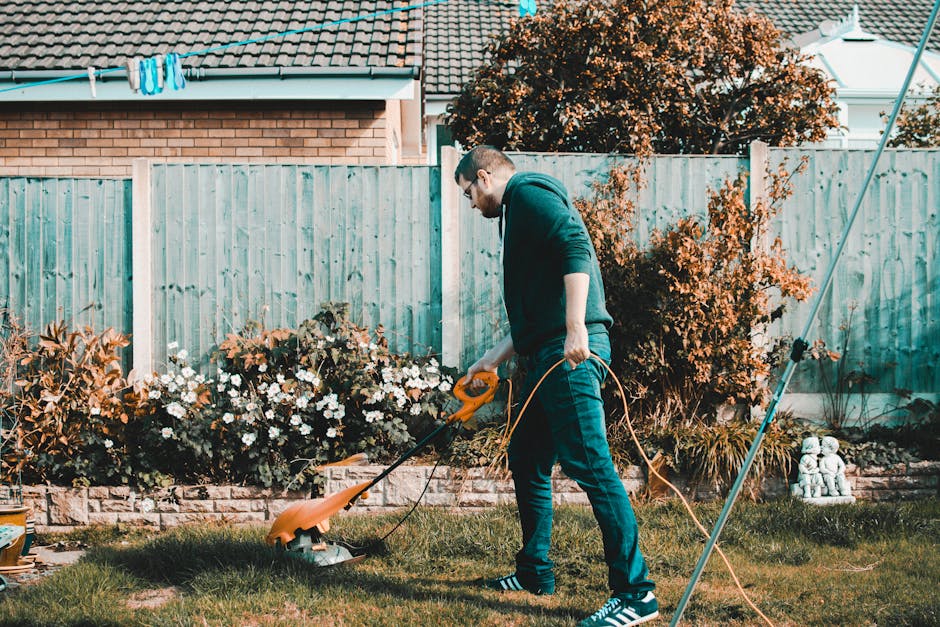
Garden maintenance costs Brimsdown EN3 real cost guide
Trying to work out what garden upkeep should actually cost in Brimsdown EN3 can feel a bit murky at first. One quote looks fine, the next seems oddly high, and then you realise the job may involve mowing, hedge cutting, clearing, pruning, waste removal, and maybe a few awkward corners that are never mentioned until someone turns up. This Garden maintenance costs Brimsdown EN3 real cost guide is here to make the numbers easier to understand, without the waffle.
Whether you are looking after a small front garden, a tired back garden that has got away from you, or a rented property that needs regular tidying, the real price depends on the size of the space, the condition it is in, how often it needs attention, and what is included in the visit. Let's break that down properly so you can budget with confidence and avoid paying for things you do not need.
Table of Contents
- Why Garden maintenance costs Brimsdown EN3 real cost guide Matters
- How Garden maintenance costs Brimsdown EN3 real cost guide Works
- Key Benefits and Practical Advantages
- Who This Is For and When It Makes Sense
- Step-by-Step Guidance
- Expert Tips for Better Results
- Common Mistakes to Avoid
- Tools, Resources and Recommendations
- Law, Compliance, Standards, or Best Practice
- Options, Methods, or Comparison Table
- Case Study or Real-World Example
- Practical Checklist
- Conclusion
- Frequently Asked Questions
Why Garden maintenance costs Brimsdown EN3 real cost guide Matters
Garden maintenance is one of those household costs people often put off until the space starts looking more like a project than a garden. In Brimsdown EN3, where gardens can range from compact town plots to larger family spaces with hedges, lawns, patios and side returns, costs are rarely one-size-fits-all. A simple tidy-up and a full seasonal reset are very different jobs, even if they both happen in the same back garden.
Understanding the real cost matters for three reasons. First, it helps you compare quotes fairly. Second, it stops you paying for unnecessary work. Third, it makes it easier to decide whether you need a one-off visit or a regular maintenance plan. Truth be told, the cheaper option is not always cheaper if the garden gets out of hand again two weeks later.
There is also a local angle. In a busy part of North London, access, parking, storage for tools, and waste handling can all affect the final price. A gardener spending extra time carrying cuttings from a rear access point is not doing the same job as someone stepping out onto an open driveway. That sounds obvious, but it is one of those little details that changes the invoice.
If you are comparing broader service choices, it can help to start with the services overview and then narrow down whether you need routine care, a heavier garden clearance, or a more specific service such as lawn mowing or hedge trimming.
How Garden maintenance costs Brimsdown EN3 real cost guide Works
Garden maintenance pricing is usually built from a few moving parts rather than a single flat rate. Most providers look at the scope of work, the time likely needed, the condition of the garden, and any disposal or follow-up tasks. If a garden is tidy and well kept, the job can be straightforward. If it has been left for months, the same job may involve cutting back, collecting waste, edging, sweeping, and a second pass to tidy the finish. That is where the cost shifts.
Here is the basic way pricing normally works:
- Assessment of the garden - size, layout, access, overgrowth, and the jobs needed.
- Labour estimate - how long the work should take and how many people are required.
- Materials and equipment - for example, fuel, replacement blades, protective gear, or specialist cutting tools.
- Waste disposal - green waste, branches, clippings, and any mixed rubbish that needs sorting.
- Frequency - one-off work is usually priced differently from scheduled visits.
That last point is worth stressing. Regular maintenance often works out more efficiently because the garden never reaches the "help, it's turned wild" stage. A monthly or fortnightly visit can keep labour time down, which usually helps the budget. One-off work, especially after a long gap, tends to cost more because everything takes longer.
In practical terms, a basic maintenance visit might cover mowing, light weeding, edging, and a quick tidy of borders. A fuller service may include hedge cutting, pruning, leaf collection, sweeping paths, and removing debris. If the work starts involving heavy cutback or bulky green waste, you are moving into something closer to a clearance-style job, and the pricing should reflect that.
For readers who want to understand the business side as well, the company's pricing and quotes page is a sensible place to see how quote requests are typically handled.
Key Benefits and Practical Advantages
There is a reason people keep gardens maintained rather than waiting for a "big clean-up weekend" that never quite happens. Routine care has practical benefits that go beyond appearances, and they show up in cost as well as comfort.
- Lower long-term spend - smaller, regular jobs are usually cheaper than large recovery jobs.
- Better garden health - grass, hedges and shrubs respond better to light, consistent care.
- More predictable budgeting - you can plan a monthly or seasonal spend rather than brace for a surprise.
- Improved kerb appeal - useful if you are letting, selling, or just want the place to look looked after.
- Less waste build-up - which means fewer oversized clear-ups later on.
There is also a mental side to this. A neat garden changes how a home feels. You notice it when you step outside in the morning and hear the mower rather than the crunch of dry weeds underfoot. Small thing, maybe. But it matters. Especially in spring, when growth seems to happen overnight and the hedge suddenly looks two feet taller than it did last week.
If you are weighing up wider outdoor work, services such as landscaping, landscape gardening, or even decking services can be costed alongside routine maintenance, but they serve different purposes. Maintenance keeps things under control; improvements change the space itself.
Who This Is For and When It Makes Sense
Garden maintenance in Brimsdown EN3 makes sense for all sorts of people, not just homeowners with perfect lawns and immaculate secateurs. In fact, most customers are simply trying to keep things reasonable. Not fancy. Reasonable.
This guide is especially useful if you are:
- a homeowner wanting to keep monthly or seasonal upkeep under control;
- a landlord or letting agent managing a property between tenancies;
- someone with a busy schedule who cannot keep on top of hedge, lawn and border work;
- an older resident who wants the garden safe and manageable;
- a family that needs the outdoor area usable for children and everyday life;
- a business or communal property owner wanting a tidy, presentable exterior.
It also makes sense when the garden is not yet in full decline, but you can see it heading that way. That's the sweet spot, really. If the lawn is patchy, the hedge is stretching, and the borders are getting messy, a maintenance visit can still be simple. Leave it another month or two, and you may be into trimming, pruning, sorting waste and asking awkward questions about how much can be saved.
For people who know the job has gone beyond a basic tidy, a dedicated garden maintenance service can be a better fit than trying to bundle everything together yourself. And if the garden has a lot of accumulated waste, a targeted garden clearance may be the more honest starting point.
Step-by-Step Guidance
If you want a realistic handle on garden maintenance costs, work through the decision in stages. This helps you compare apples with apples, which is rarer than it should be.
1. Identify the work that actually needs doing
Start with a walk around the garden. Look at the lawn, hedges, borders, paths, bins, sheds, and any awkward corners. Write down what needs attention now, what can wait, and what is a nice-to-have. If you are not sure, take a few photos in daylight. The phone camera tends to show the truth a little too clearly.
2. Decide between one-off and regular maintenance
One-off work suits gardens that have been left untouched, post-tenancy clean-ups, or seasonal resets. Regular work suits gardens that need consistent care. If you want a steadier spend and fewer surprises, regular visits are usually easier to manage. If the garden is already in decent shape, a monthly service can be enough to keep it there.
3. Separate maintenance from clearance
This is a big one. A neat and tidy maintenance visit is not the same as removing a lot of cuttings, old furniture, broken planters, or years of growth. If the scope is mixed, the quote should show that clearly. Otherwise, you may think you are paying for a basic tidy when you are actually asking for something far bigger.
4. Ask what is included
Good quotes are clear. They should say whether the price covers mowing, edging, hedge cutting, light pruning, weeding, sweeping, and waste removal. They should also explain if there are extra charges for access problems, bulky waste, or specialist work. If it is vague, ask. Simple as that.
5. Check how waste is handled
Green waste can build up quickly after even a modest cutback. Ask whether cuttings are taken away, composted, or left on site. This affects the final price and the amount of effort you need afterwards. It also matters for the look and feel of the garden once the team has gone.
6. Compare the total value, not just the headline price
A cheaper quote that excludes waste disposal or only covers the obvious bits may not be better value at all. Compare what each provider is actually doing, not just the number at the bottom.
Expert Tips for Better Results
If you want to keep garden maintenance costs sensible in Brimsdown EN3, the best trick is not magical. It is consistency. Gardens are like cars in that way: regular small jobs are easier than one massive repair bill after months of neglect. Slightly annoying, but true.
Here are a few practical tips that make a real difference:
- Book before peak growth periods - spring and early summer can get busy, so don't leave it too late.
- Keep access clear - move bins, toys, bicycles and loose items before the visit to reduce time wasted.
- Bundle jobs together sensibly - mowing plus hedge trimming often makes more sense than arranging separate visits.
- Be honest about the condition - if the garden is overgrown, say so. It saves awkward surprises.
- Think seasonally - leaf fall, pruning, and lawn care all have their own rhythms.
- Use photos for quotes - a picture of the garden in daylight can help avoid underpricing or inflated estimates.
A small detail that often gets missed: the finish you want matters. A "functional tidy" and a "presentable, crisp finish" can both be reasonable goals, but they take different amounts of time. If you care about clean edges, swept paths, and a proper final once-over, mention it. It saves the awkward moment where someone says, "well, that wasn't in the quote."
For trusted service details and company background, it can help to read the about us page and the insurance and safety information so you know how work is approached on site.
Common Mistakes to Avoid
People often overpay for garden maintenance because they make the same few mistakes. None of them are dramatic, but they add up.
- Only comparing price - the cheapest quote may leave out essential work.
- Mixing maintenance with clearance - this can lead to unrealistic expectations on both sides.
- Ignoring access issues - side gates, narrow paths and rear-only access can affect labour time.
- Leaving everything until it is overgrown - that is where costs rise fast.
- Not asking about waste removal - a sneaky source of extra charges.
- Forgetting seasonal demand - some periods are simply busier and less flexible.
Another common one: assuming the same service fits every garden. It does not. A small paved yard needs a different approach from a long lawn with thick borders and tall hedging. And yes, even a "small" garden can be fiddly if it has awkward corners and a lot of trimmings to remove. Funny how that works.
Tools, Resources and Recommendations
You do not need a van full of kit to understand your costs, but a few simple resources make the process smoother.
- A quick garden inventory - note the lawn size, hedge length, and any problem areas.
- Phone photos - take wide shots and close-ups, especially of overgrowth or access points.
- A rough maintenance calendar - helps you decide whether monthly, fortnightly or seasonal visits make sense.
- A list of priorities - for example, "mow, trim hedge, remove cuttings, clear path."
- A budget range - even a loose range helps you compare quotes more calmly.
On the service side, the most useful pages to review are lawn mowing for grass care, hedge trimming for shaping and control, and tree lopping and removal if branches or small trees are becoming part of the problem. For broader planning, services overview gives you a clearer picture of how the pieces fit together.
If you care about disposal and tidiness, it is also worth checking the company's recycling and sustainability approach. Green waste handling is one of those behind-the-scenes details that can tell you a lot about how organised a provider is.
Law, Compliance, Standards, or Best Practice
Garden maintenance is not usually a heavily regulated service in the way some trades are, but that does not mean standards do not matter. A trustworthy provider should work safely, dispose of waste properly, and treat property with care. In the UK, that generally means sensible site practice, good communication, and respect for health and safety.
In everyday terms, best practice includes:
- using suitable protective equipment where needed;
- working carefully around steps, uneven ground, and wet surfaces;
- keeping walkways reasonably clear during the job;
- handling tools responsibly;
- separating green waste from general rubbish where possible;
- being clear about what is and is not included in the price.
If you are hiring someone to work on a property, insurance is worth asking about. It is not being difficult. It is sensible. The same goes for terms, payment expectations and complaint handling. A clear process helps both sides if something needs adjusting later.
For that reason, a provider's health and safety policy, payment and security information, and complaints procedure can be useful indicators of how professionally the work is managed. You do not need a lecture about policy pages. You just need to know the basics are in place.
Options, Methods, or Comparison Table
Here is a simple comparison to help you decide which type of garden work is most likely to fit your situation and budget.
| Option | Best for | Typical cost shape | Pros | Watch-outs |
|---|---|---|---|---|
| Regular garden maintenance | Ongoing upkeep, tidy homes, landlords | Usually more predictable, often better value over time | Keeps the garden under control, easier to budget | Needs consistency and scheduling |
| One-off tidy-up | Seasonal reset or occasional neglect | Can be higher if the garden is messy or overgrown | Quick way to restore order | May not solve recurring growth issues |
| Garden clearance | Heavy build-up, waste, neglected plots | Often the most labour-heavy and disposal-led | Removes bulk and creates a clean starting point | Not the cheapest option if maintenance would have been enough |
| Specialist add-ons | Hedges, trees, decking or landscaping work | Priced by complexity and time | Targets problem areas properly | Can change the budget quickly if combined without planning |
The practical takeaway? If your garden is still broadly manageable, regular maintenance is usually the calmest and most cost-effective route. If it has already crossed into "we need to get this back from the brink" territory, then a clearance or specialist service may be the smarter first step. It depends where you are starting from.
Case Study or Real-World Example
Here's a realistic example based on the kind of work many Brimsdown EN3 customers ask about. A small family home has a front lawn, a rear garden with a medium hedge, a few uneven borders and a path that has collected leaves and cuttings over time. Nothing extreme. Just a garden that has quietly drifted from neat to mildly embarrassing.
The owner first asks for a simple mow, but after a quick look it becomes clear the hedge needs trimming, the borders need a tidy, and the waste will need removing. What looked like a quick visit turns into a broader maintenance job. The final cost is naturally higher than a mower-only visit, but still much better value than letting the hedge and borders run for another two months.
Then, a few weeks later, the same property opts for scheduled maintenance. This time the visit is shorter because the garden has not had a chance to build up again. That is the real lesson: the first visit often reveals the true state of the garden, and the second visit is where the budget starts to stabilise.
A local customer once put it neatly: "I thought I needed a one-time tidy. Turns out I needed a rhythm." That's pretty much it. A rhythm, not a rescue mission.
Practical Checklist
Use this checklist before requesting quotes or booking work. It keeps things tidy, and saves a few headaches too.
- Do I want a one-off visit or regular maintenance?
- Is the garden tidy, lightly messy, or genuinely overgrown?
- Do I need mowing, hedge trimming, pruning, weeding, or all of the above?
- Will waste removal be needed?
- Is access straightforward, or are there side gates and narrow paths?
- Have I taken clear photos of the garden?
- Have I listed the priorities in order?
- Do I understand what is included in the quote?
- Do I need extra services such as clearance, landscaping, or decking-related work?
- Have I checked the provider's insurance, safety, and payment information?
If you can tick most of those off, you will be in a much better position to judge whether a quote is fair. It also makes the whole conversation feel a lot less rushed.
Conclusion
The real cost of garden maintenance in Brimsdown EN3 depends on the shape of the garden, the level of work needed, and whether you are booking a one-off tidy or ongoing care. That is the honest answer. There is no magic number that fits every property, but there are clear patterns you can use to budget better and avoid unpleasant surprises.
If the garden is already under control, regular maintenance is often the most efficient route. If it has slipped, the first job may be more of a reset. Either way, a clear scope, honest photos, and a proper discussion about waste and access will get you much closer to a fair price. And that, in the end, is what most people really want.
Get a free quote today and see how much you can save.
For a straightforward next step, explore the relevant service pages, review the company information, and ask for a quote that reflects the actual condition of your garden. A well-kept outdoor space does more than look good; it quietly makes life easier, week after week.
Frequently Asked Questions
How much does garden maintenance usually cost in Brimsdown EN3?
It varies based on garden size, condition, frequency, and what is included. A light routine visit will cost less than a garden that needs mowing, hedge cutting, weeding, and waste removal all in one go.
What affects garden maintenance prices the most?
The biggest factors are labour time, overgrowth, access, and waste disposal. If a garden is easy to reach and already reasonably tidy, the job is usually simpler and quicker.
Is one-off garden maintenance more expensive than regular visits?
Usually, yes. One-off jobs often involve more work because the garden has had time to build up. Regular maintenance keeps the task smaller and more predictable.
What is the difference between garden maintenance and garden clearance?
Garden maintenance is about keeping a garden tidy and manageable. Garden clearance is for heavier jobs where there is a lot of cutback, waste, or neglect to remove first.
Do I need hedge trimming as a separate service?
Sometimes. If the hedge is light and part of a routine visit, it may be included. If it is tall, dense, or overgrown, it may need to be priced separately.
Should waste removal be included in the quote?
Ideally, yes. Always ask. Waste removal can make a meaningful difference to the final cost, especially after pruning or clearance work.
How often should a garden in EN3 be maintained?
That depends on the garden and how tidy you want it to stay. Many people choose fortnightly, monthly, or seasonal visits. A fast-growing garden may need more frequent attention in spring and summer.
Can I save money by combining jobs?
Often, yes. If the same visit includes mowing, hedge trimming, and a tidy-up, it may be more efficient than booking each job separately. Just make sure the quote still clearly lists what is included.
What should I ask before accepting a quote?
Ask what the quote covers, whether waste removal is included, how access affects price, whether insurance is in place, and whether the work is a one-off or part of an ongoing plan.
Is landscaping part of garden maintenance?
Not usually. Maintenance keeps the garden in good order. Landscaping changes the structure or layout of the space, so it is normally treated as a separate project.
How do I know if I need a clearance instead of maintenance?
If there is a lot of built-up waste, heavy overgrowth, or the garden has been neglected for a long time, clearance may be the better starting point. If it just needs tidying and regular care, maintenance is probably enough.
Where can I find more service details and company information?
You can review the company's services overview, pricing and quotes, and about us pages for a clearer sense of scope and approach.